GOOGLE REVIEWS

Does your website suffer from poor performance? Have you recently had it revamped, or maybe you are thinking of having it revamped?
Well, don’t.
Not until you understand more about what is needed to create a lead-generating website.
Your website should be part of your online lead-generation efforts. It fits within the lead generation process and it should be built from the ground up to fulfil that role. Rather than starting with the website, think about what lead generation strategies you can use on the website and work backwards so it works for that. Whether you are using an outbound marketing strategy or an inbound marketing strategy, the website needs to be devised, built and programmed to fulfil its role within your defined strategy.
Reasons Why Your Website Isn’t Generating Leads
We find when working with clients there are 1,001 reasons why a website struggles to generate high-quality leads. Some are big and obvious and making a few changes can have a big impact, others are harder to spot and take time to iron out. Below are some of the more obvious ones, which we see when businesses approach us and ask for our expertise.
Too few calls to action
From the ‘buy now’ button to ‘join our email list’, your website should be full of different calls to action, based on your sales funnel and different stages of your customer’s journey. Depending on where your ideal customer is in the buying cycle and which page they are viewing there should be choices for them to take action. These are specific to your marketing funnel and can range from ready to buy (buy now button), wanting to learn more about your product or service (download white papers) or just keeping in touch for a later project (join our mailing list).
The calls to action on your website should make it easy for your visitor and potential leads to take the next steps in their journey.
Confusing navigation
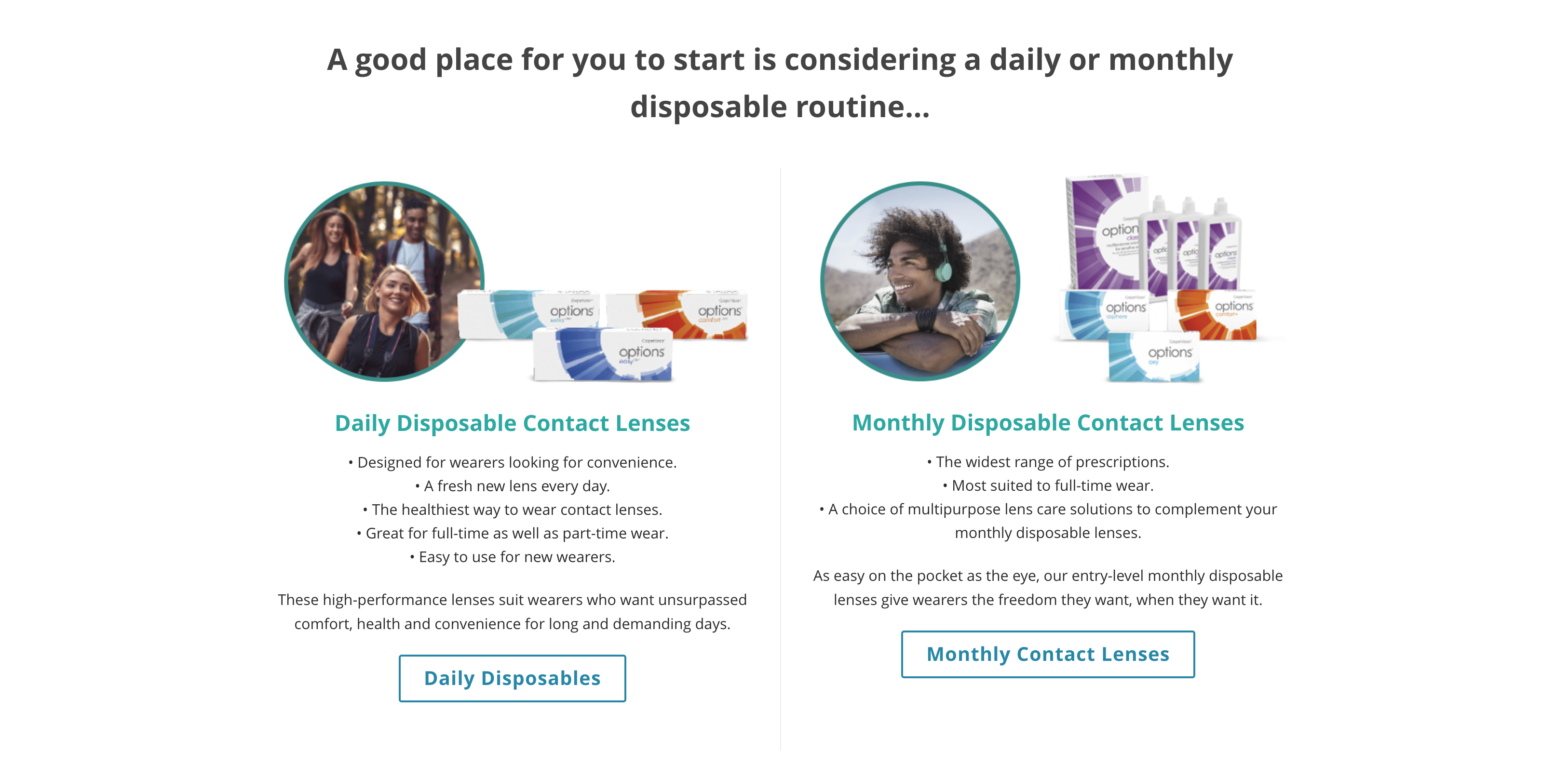
A website that has confusing navigation labels will frustrate visitors who want to know how to get around quickly. If it’s not obvious to a visitor what a DX450L is then chances are they won’t stick around long enough to find out and become a customer. This is just a poor user experience. The best way to avoid confusion is to use the same language the visitor uses. Don’t make the navigation about your products, with product names or codes that a visitor doesn’t know – use the words they use. This makes it easier for people to move through your content without getting lost.
Poorly written content drives away valuable leads
This also goes for the imagery and design of the pages. Make it interesting, obvious and easy to follow. Use design to emphasise the important messages on the page and make it memorable. A poorly designed page will confuse visitors and bore them. Nowadays, it is far too easy to click the back button, go back to Google, and choose another website.
Make sure your content is relevant and up-to-date, so your visitors find it useful and remain longer on your website. They may even share it with friends. Plus, they will probably return, which builds trust and then leads.
Make sure you add valuable content to your website. Think about your visitor and ideal customer, what would they find valuable? Don’t just put out the same content as your competitors – think about how you can make it better. Improve it. Combine it. Put yourself in your customer’s shoes, or even better – ask your customers and give them what they want.
Is your website built for aesthetics, not conversion?
There are still far too many websites that are built around the way they look rather than the way they work. Don’t build your new website based on aesthetics. These websites look good, but all they do is satisfy the owner’s narcissism.
Think about what your customer wants. Then once you know this you can give it to them in an aesthetically pleasing way. Don’t build your website the wrong way around.
Establish your target audience:
- Who are you trying to receive leads from?
- What are they interested in?
- What can you give them that your competitors don’t?
- Or what can you give them better than their current supplier?
These are just a few of the questions you should be asking – first. Once you know, you can start to develop a website that attracts your audience and persuades them to enquire or buy.
Now, don’t get me wrong. I’m not saying your website has to be ugly. Far from it. A beautiful website will do better than an ugly one, as long as the underlying strategy is sound.
Not enough social proof
Visitors to your website need to feel they are part of a group they belong to and they are not going out on a limb buying from you. They need to see people, like themselves, who also have had a good experience and that it worked out great for them. Do this by adding some testimonials and/or reviews from past customers. Give them credibility by asking your customers to leave reviews on credible sites such as Google Reviews, Trustpilot or Facebook reviews.

Google Reviews
For a customer to leave a review on Google they need to have a Google account. Not all customers will have a Google account, so make sure you give them an alternative way to leave you a glowing review. If they do you can provide them with a link direct to Google to leave you a review.
Trustpilot
Trustpilot offers free accounts, but you have to pay to do more with the reviews. Anyone can leave you a review again they just need to create an account to do so. Also, you can link Trustpilot to your account so it automatically sends emails to clients to ask for reviews after they have purchased from you online.
Facebook Reviews
Facebook reviews are another good way of getting great reviews. If your customer has a Facebook account, then it’s very easy for them to leave you a review on your Facebook page.
If you are a fairly new start-up business or don’t have many reviews, then collecting social proof can be difficult. Read our article on ‘Social Proof: Your complete guide to leveraging it on your website and why you need it‘ to find ideas and tips on collecting reviews, quickly
How to improve your website’s lead generation tactics
To solve the problem of increasing conversion rates from your website, you need to address the problems above, if they are present on your website, but also improve your website overall with research, testing and implementation techniques. By focusing on generating high-quality leads, you can transform your website into a mecca for your potential customers and customers, so they come back, again and again, to read, consume and learn from your content.
Develop a lead generation strategy for your website. What are you going to do and who is going to do it? When is it going to be done? There is a lot of work to be done in turning a website around into a lean mean lead generation machine. Don’t overestimate the amount of work required and don’t bite off more than you can chew.
Learn as much about your customers as you can
To write and produce, compelling, relevant, interesting content for your target market, you need to know as much as you can about who they are:
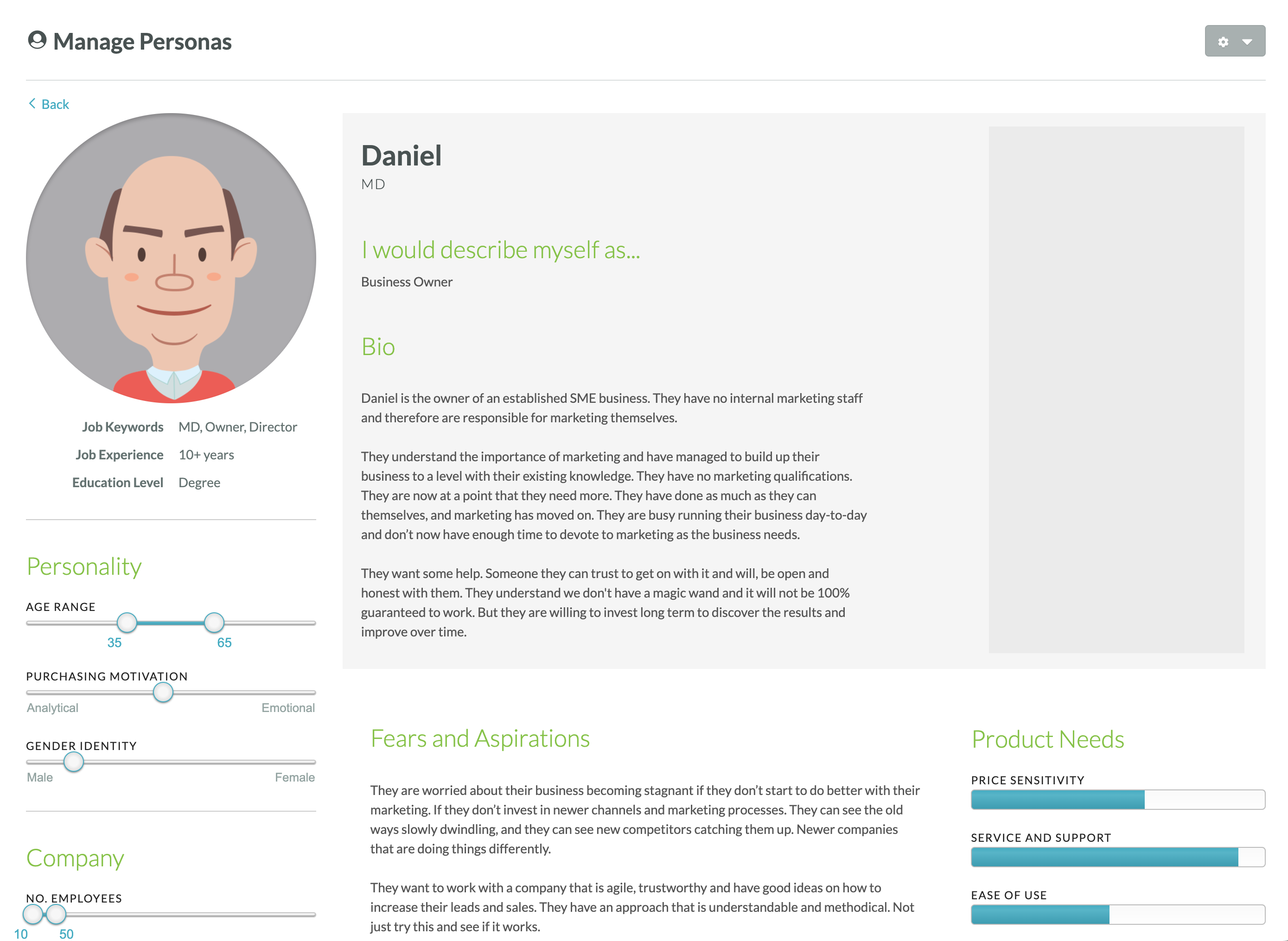
- Who are they? (Gender, age, job title).
- What problems do they have? (that your product or service solves for them).
- Where are they? (No only location in the world, but also online – do they use Google, Facebook, Twitter?).
- Type of person? (Are they analytical, or emotionally driven?
Your target market may be split into more than 1. We ourselves have 3 different personas of people we target with our marketing. Each one has a slightly different background and differing needs from our services.
Test with Search Ads
Before committing to content marketing and revamping the content on your website based on your customer research, make sure you test it.
To do this you can use Google Ads, Facebook Ads or other social media ad platforms to test your learnings and lead generation campaigns. By spending a little money upfront you can test and learn quickly what marketing approaches will give you the biggest return. See exactly what motivates your target customers the most. Not only in terms of click-through rates to your website but all the way to an actual sale. Track the whole journey, using Marketing Automation tools. You may find that the keyword or keyphrase that generates the most clicks, is not the one that generates the most sales.
Enjoying This Article?
Never miss another one...
Sign up for our e-mail newsletter and we'll let you know when we publish new pieces like this to help you on your marketing journey.
Target Organic Traffic
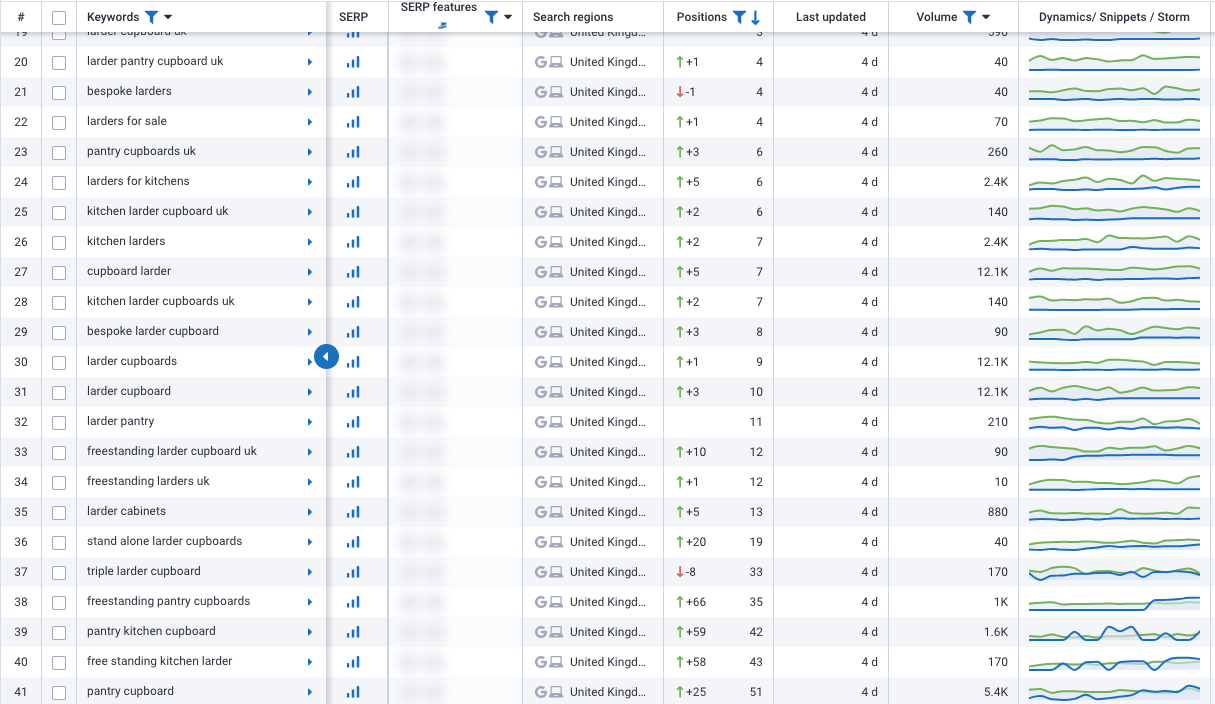
Once you have real proof of what works best for your audience, you can feed this data back to your marketing team and into your organic traffic sources and your search engine optimisation. Then you can improve your search engine rankings for the keyphrases and keywords that generate a higher click-through rate.
By improving your rankings in Google and Bing, you can attract virtually free customers from search engines each and every day. These organic visitors are your ideal clients, as proven from your experiments and will convert at a higher conversion rate, than before, decreasing your CPA and improving your ROI.
Nurture your leads in the right way
Once you have your ideal client or potential client on your website you need to keep them there. Great content that is relevant and interesting is a brilliant start, but most decisions are not made in an instant. A successful lead-generation process turns visitors into leads through smart nurturing tactics. Giving them the information they need at the time they need it.
Plan out your client’s decision process. What questions do they ask? In what order do they ask them? Use your sales team to find out about the questions your potential customers ask. Then make sure you answer those questions in that order. Test and analyse your results. Tweak the process and collect feedback as you go, so you can improve the nurturing process.
Measure every stage of your sales funnel conversion rates
Set up analytics to measure key metrics at every stage of your sales and marketing funnel. Set a revenue target you expect from all this work, so you can be sure it improves your ROI. Measure the volume of leads you expect and also the source of leads. This information can help you focus on the low-hanging fruit. The big wins first.
By collecting data at every stage, you can make changes and experiments and see real-world data on how that affects your conversion rates, sales and profit.
Marketing Automation software services, such as our own XposureHUB can provide this data collection and analyse for you.
A/B split test all changes
Whatever changes you decide to implement, don’t forget to run a/B split tests to make sure your ideas, research and hunches are correct. It’s amazing, how wrong they can be through A/B testing.
Using such services as Google Optimise (free to use) you can see what real difference small or large changes can make to the quality of leads. Once you have reached a critical mass and proven or unproven your theories, you can make the changes permanent to your website. Changes can be as simple as changing the colour of the button, to complete redesigns of a page. Google Optimise can track and monitor your results.
Optimise every step of the lead generation process
Once you are collecting data on all stages of your lead generation process you can begin to plan experiments and optimise each stage.
The most well-known story is of the British cycling team and David Brailsworth. To summarise the story, to win the Olympics, they concentrated on improving by a ting percentage every aspect of the bike and the training process. It was all the small gains that added up to 1 massive advantage.
If you can improve the conversion rate at every stage of your sales funnel, you will end up with 1 big improvement that can make a huge difference to your bottom line and profits.
Improve your Search Engine Optimisation
Based on the feedback and changes at each stage of your sales funnel, and the experiments that work. You can feed this data back into your SEO. Optimising the existing content and creating new blog posts to bolster and compliment your existing content. Generating new links and attracting more visitors to your website.
Feedback Content into Social Media Campaigns
The winning content that is working on your website can now be reused and reutilised as targeted pieces of content on your social media. This is the content your visitors love and helps them choose you over your competitors. It’s winning content, so use it to attract more of your target market and use it in your social posts, videos, images etc.
This is evergreen content that you can use again and again. It doesn’t go out of date, just sprinkle it in with your usual social media content and watch it drive traffic and conversions on your website.
Website Lead Generation Tools
Below are a few software tools that we use to help us deconstruct websites, find out why visitors are not converting and help us measure what is working.
Heatmaps
Heatmaps can help you understand more about how your visitors actually use your website. Where do they go? What on a page do they pause and consume? What do they click on?
You may think you have click data already from Google Analytics, but this only gives you data on actual links you can click on. You’ll be amazed at what you can learn from heatmaps, and when visitors try and click on content, images, and graphics that are not links. You’ll find new ideas for content by fulfilling those clicks or by linking to existing content.
Visitor recording
Tracking a visitor’s journey through and around your website can give you valuable insights into their thought process and help you uncover any bumps in the road. What do they struggle to find? On which pages are bounce rates high? Do they give up or struggle to complete on those pages and why?
A great example is shopping cart abandonment. You have many people putting items into your shopping cart, but then not buying. Is there a reason for this? Is the checkout process too hard? By analysing visitor recordings you can identify problems in the process and make them easier for a customer to complete.
Visitor tracking
Visitor tracking can help you understand the actual buying process of your different types of customers or persona. It can give data on average lead time. Help you deconstruct the nurturing process on what they want to know and understand at what point of the buying process and also help you identify potential customers earlier from their behaviour.
Visitor scoring
As part of your marketing process, visitor scoring can be used to identify people who are nearly ready to buy from you. As they complete differing steps along the sales funnel they can be given points. Once the points reach a certain level your sales team can be informed, so they can further assist them in a more personal manner. Allowing them to focus on warm leads and improving their completion rate.
CRM
A CRM (Customer Relationship Manager) can keep track of customers, potential customers, what they are doing, where they have been, what they are interested in, what type of persona they are and all their personal details.
This allows members of your team to serve them better and quicker when questions and queries arise during the sales funnel. They can quickly review what has happened before and give quicker, more relevant answers. Giving the visitor a better experience and impression of your company.
Email Marketing
Email marketing lets you keep your customers and potential customers informed about your products and services and guide them along certain nurturing paths.
Collecting their email address at the beginning of the nurturing process allows you to keep them informed about any developments and answer any questions which you know will come up later.
Daily, weekly or monthly email campaigns can be created to keep your business front of mind and help build your brand online.
Chat Bots
Chatbots allow you to interact automatically with visitors. Quickly answering common questions and providing a service 24/7 on your website.
They can be automated and also include a chat feature, which can be passed on to your sales team if the visitor still needs help beyond the automation.
They can also be linked to your CRM, so they can dynamically ask questions based on knowledge already gained from previous interactions with your website. So they can greet them by name or ask questions about how they can help, based on previous questions that have been answered.

WE HOPE THIS ARTICLE HAS BEEN OF SOME HELP
XposureHUB is the catalyst that allows all these systems, analytics, experiments, tests and data to exist and work together to improve your website, every day, every week, every month. By using the powerful combination of software and or creative knowledge, we can work together to improve your website and digital marketing. If you would like to know more about our services, then please get in touch.