GOOGLE REVIEWS

The Burger King’s court of controversy – and why you should’t bury your message in a second tweet.
On International Women’s Day 2021 it was good to see that the usual glut of posts asking “but when it’s international men’s day?” were almost non-existent (it’s 19th November BTW). However, the day wasn’t without its controversies.
Many other companies, ourselves included, shared social media posts to mark the occasion – and with so many doing so, it’s a challenge to stand out. Burger King’s marketing department are extremely savvy at cutting through and getting attention. Some of their work is masterful, particularly their ongoing ‘feud’ with rival chain McDonald’s; their #NeverTrustAClown campaign at the release of Stephen King’s IT, the #WhopperSecret where they hid a Big Mac behind their larger burger, and the Mouldy Whopper campaign to show the lack of artificial preservatives in their food.
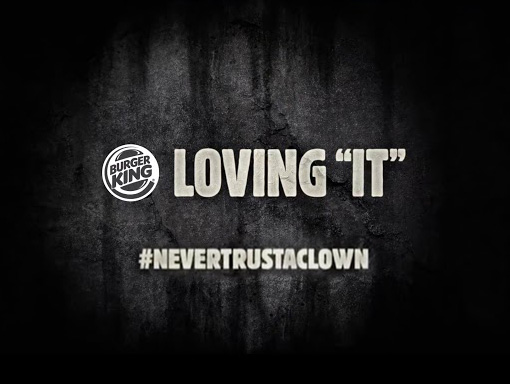
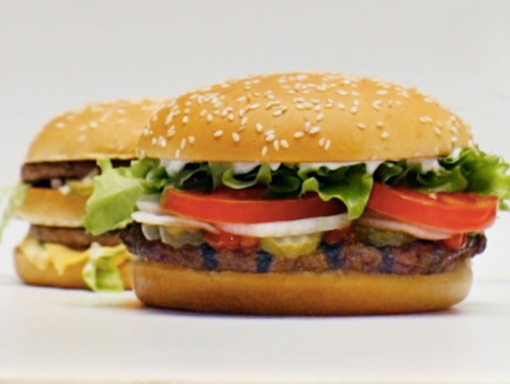
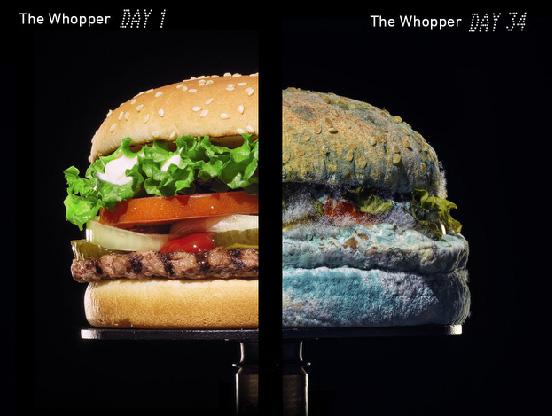
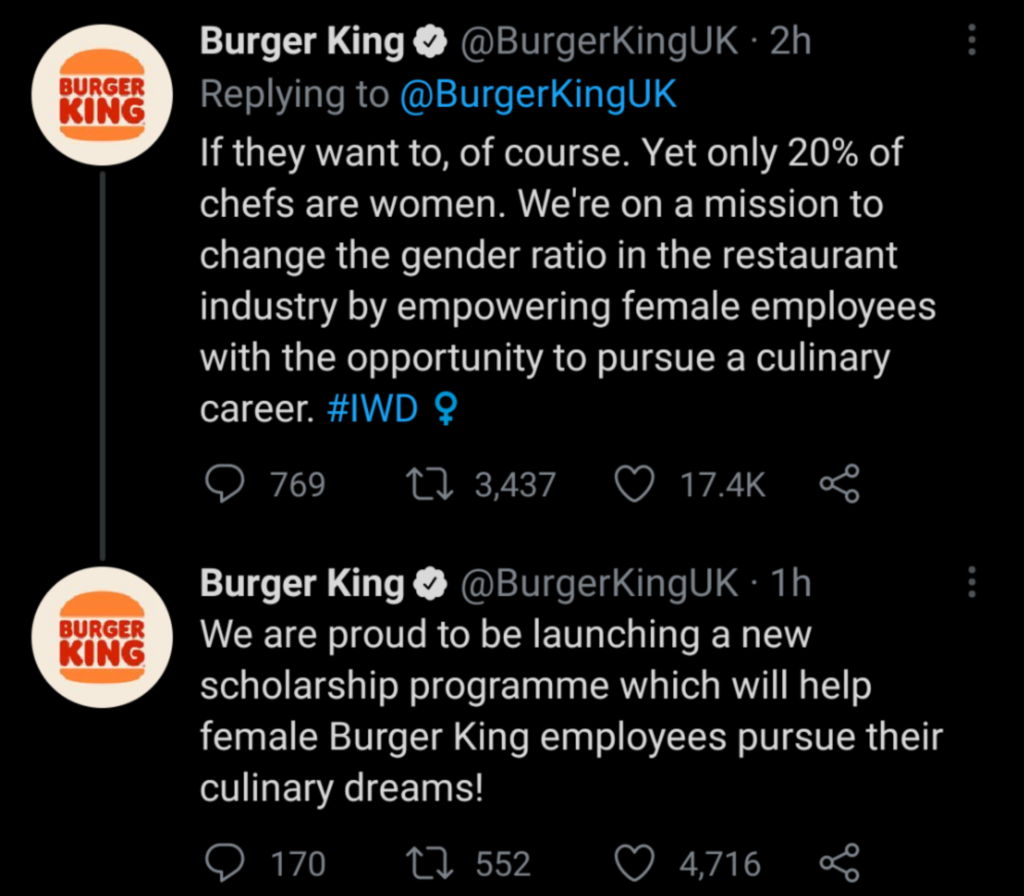
On Monday 8th March they took another big swing with this tweet…
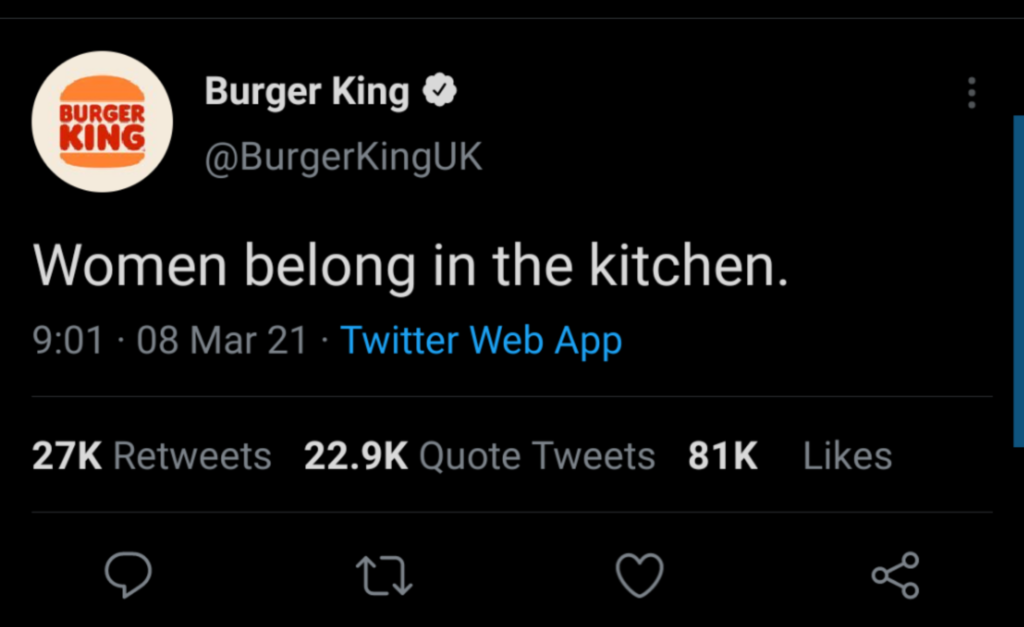
Followed by these two tweets…
And here’s the print advert featured on the same day in the New York Times, with even more detail…
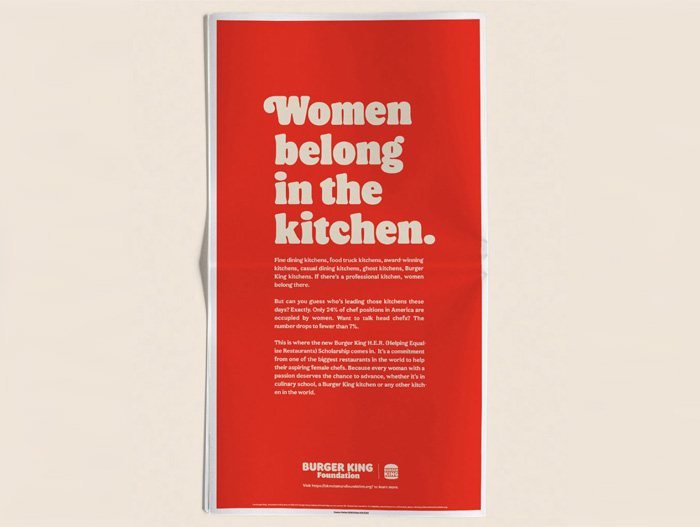
Clever, eh? A brilliant way to interrupt other companies messaging with an attempt to flip a tired old sexist trope on its head. A classic case of bait and switch.
Except it wasn’t that clever…
…because a lot of people didn’t see the ‘switch’ just the ‘bait’. Almost 15 times as many people saw the first tweet as the second and third, and around 96% of responses are about the sexist opening gambit rather than the company’s new admiral initiative.
Much like the old saying “a lie has the chance to get half-way around the world before the truth even has its boots on” online outrage waits for no-one. On social media, people have fairly knee-jerk reactions and won’t stick around to do any digging deeper. Couple this with the fact that replies and retweets don’t show the follow-up tweets, which only compounds the problem.
There are good arguments to say they shouldn’t haven’t used such a tired old joke to open with. It was intended to get people’s attention with something unexpected, and yes, offensive – but you can see how dry and corporate the second and third tweet would sound without it. Shock advertising isn’t anything new – does anyone remember the United Colours of Benetton adverts in the 1990s? It can be risky, but it’s from a company with a history of cheeky social media posts.
So whilst we’re not certain they were wrong to do this – we are all in agreement that it was definitely done in the wrong way. If you don’t remember anything else from this article – please remember this if you’re planning multiple tweets:
Always keep the key part of any social media post in the first one.
Imagine the first tweet had read something along the lines of…
Women belong in the kitchen.
Or rather as chefs in our kitchens – only 20% of all chefs are women and we’re on a mission to change the gender ratio in the restaurant industry #IWD2021
They could have followed up with the details in other tweets, and whilst they would have got some backlash for the first line (it is the internet after all), it would have been far less, the message and post they wanted to make would have made its mark.
Now, will Burger King survive this? Of course. Burger King are a large multinational corporation, with excellent brand recognition and, until yesterday, a fairly good public image. Despite the outraged retweets #CancelBurgerKing didn’t start trending.
At first Burger King’s PR machine stepped in to defend the tweets, but have since deleted the whole thread and apologised. A peek at the twitter feed however (as of 48 hours later) shows that the backlash, jokes and memes haven’t died down just yet.
There’s no such thing as bad publicity?
Could your company withstand such backlash? Even if you did it on purpose? Is it a good idea to use shock tactics in the age of social media?
Enjoying This Article?
Never miss another one...
Sign up for our e-mail newsletter and we'll let you know when we publish new pieces like this to help you on your marketing journey.
It’s a risk/reward calculation. Yes you can do it, yes it will get you attention, but will it do more harm than good, and do you really want to be handling the online mob yourself? Journalist Jon Ronson wrote an entire book So you’ve been publicly shamed about people whose lives were thrown into total chaos and loss of income because of careless social media posts.
Take our advice if you’re the owner of an SME – don’t take this chance. They say there’s no such thing as bad publicity – but we’re not convinced that’s true anymore in the age of online advocacy and mass consumer outrage.
It might not have ever been true. Gerald Ratner famously destroyed his retail jewellery company in one speech, deriding his own products as “total crap” and “cheaper than a shrimp sandwich from Marks and Spencer, but probably wouldn’t last as long” resulting in the company’s shares dropping £500 million in a matter of days and rolling up completely shortly after. That was in 1991 – dinosaur times in Social Media terms.
Bad publicity can work out for the best if the way you handle it afterwards puts you in a good light – but it’s never worth bringing it on yourself.
Planning out your Social Media
Perhaps you’d like a heads-up on upcoming dates like International Women’s Day so you can plan what you can post on Social Media. We have a social media weekly newsletter just for that, and even contains lots of ideas to get you thinking about what to share – and they won’t get you in hot water! Subscribe below to get these in your email inbox.

GET IDEAS FOR SOCIAL MEDIA IN OUR WEEKLY EMAIL...
If you have further questions or want some advice on how to get the most out of your Social Media, feel free to get in with us here.