GOOGLE REVIEWS

Determining the best methods for attracting and nurturing potential leads within your target audience is essential to any successful lead-generation strategy in the complicated area of business development. Teams that are responsible for sales and marketing must concentrate their efforts precisely in order to support ongoing business growth and increase conversion rates.
One term that comes up time and time again in the realm of sales and marketing is the “lead generation funnel.” The implementation of this marketing strategy is essential for starting the lead generation process and turning these potential customers into actual company gains. It is a vital tool for sales managers and marketing experts, helping them to create a solid lead-generating strategy and streamline the sales process.
The Xposure Lead Generation Funnel
We often talk about the sales funnel – a strategic model for guiding the potential customer journey from before first contact, to advocacy. Lead generation concerns the top half of the funnel, with each stage playing a crucial role in this journey, each requiring different tools and approaches. Tools at each stage include but are not limited to.
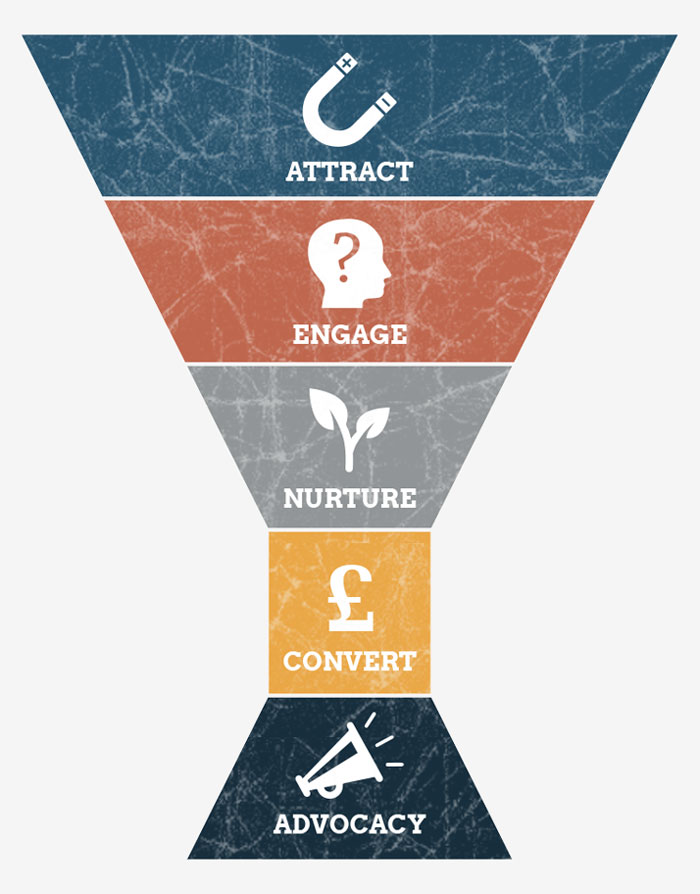
Attract (Strangers)
Engage (Unknown Prospects)
Nurture (Identified Leads)
Understanding the Lead Generation Funnel Stages
The lead generation funnel is a powerful tool for any business looking to turn potential customers into actual buyers. It starts with a large group of potential leads and gradually filters them down to those most likely to make a purchase. This journey through the funnel involves several key steps, each designed to progressively engage and qualify prospects.
Understanding and implementing these steps can significantly improve your marketing strategy, focusing your efforts on the most promising leads. This not only makes your marketing more efficient but also increases the likelihood of converting prospects into loyal customers. By using a lead generation funnel, you’re essentially streamlining the process of finding and nurturing potential customers, ensuring your business invests in relationships that are most likely to yield returns.
Enjoying This Article?
Never miss another one...
Sign up for our e-mail newsletter and we'll let you know when we publish new pieces like this to help you on your marketing journey.
Raising Awareness
The journey starts with the awareness stage, which is carried out through a variety of platforms including social media posts, email marketing, content marketing, search engine optimisation (SEO), advertising, and direct contact by the sales team. The goal is to spark curiosity to your target audience without aggressively pursuing contact details, as this could turn off prospective customers. The objective is to increase public awareness and drive customers to the company.
Nurturing the Data
The focus then turns to compiling the information obtained from these initial interactions with your target audience. This usually entails building a database of qualified leads by gathering names and email addresses during the initial awareness campaigns. Because they haven’t fully engaged with the business—the only engagement to date has been their consent to additional communication and marketing—these contacts are seen as prospective. To nurture these identified prospects, the company must continue to share relevant content on email and within social media content to keep the company at the forefront of the prospects mind.
Engaging with Prospects
Becoming engaged is the crucial next move. Here, companies want to encourage potential customers to actively engage with them by offering valuable content like helpful blog posts, eBooks, seminars, and newsletter subscriptions. Engaging leads is essential at this point since they are less likely to move down the funnel if they do not show interest.
Converting the Leads
After a successful engagement, the process advances to “lead scoring,” which assesses each contact’s potential. Here, depending on their interactions and how closely a lead fits the ideal customer profile, marketing and sales teams determine how likely it is that the lead will convert into a customer.
Tailored Marketing and Sales Strategies
Direct marketing efforts aimed at the qualified leads form the funnel’s bottom. These people are excellent candidates for targeted marketing materials and direct sales outreach since they have shown a great deal of interest and fit the ideal client profile. This focused strategy greatly raises the likelihood of turning these leads into customers.
Because the lead generation funnel is different depending on what you’re selling/promoting, companies can add, remove, or repeat steps as necessary to customise it to their own needs. But the key element of the funnel’s efficiency is its methodical approach to identifying and converting high-quality leads within their lead generation strategy. Throughout, key performance indicators (KPIs) are essential because they offer information about lead generation volume, retention rates, and the overall effectiveness of marketing initiatives in converting leads. The lead generation/sales funnel is a crucial tactic for locating and turning your target audience into potential leads into loyal customers and clients, which supports business expansion even if it requires time and money.
Xposure, Digital Marketing Agency Newark & Mansfield
Based between Mansfield & Newark in Nottinghamshire our boutique digital marketing agency services provide hands-on experience and knowledge to businesses throughout the East Midlands.
We work with businesses every month to help them identify potential markets, and build creative, results-driven digital marketing campaigns that target their ideal customers to turn them into qualified leads. If you would like some help automating some of your sales and marketing processes or identifying the best leads through website customer behaviour, please contact us below.